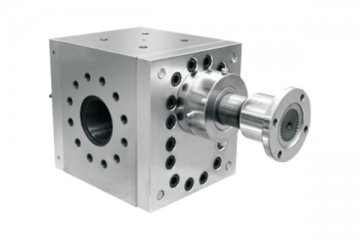
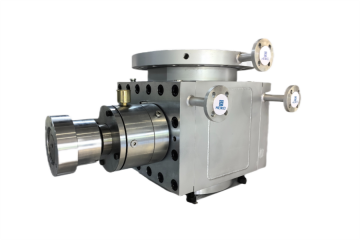
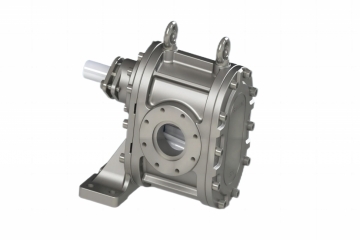
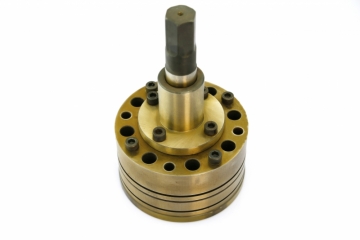
In the polymer processing industry, selecting the right heating method for melt pumps directly impacts production efficiency, product quality, and operational costs. Electrically heated melt pumps have emerged as a preferred choice for specific scenarios, offering distinct advantages over thermal fluid heating systems. When paired with extruders, these pumps deliver enhanced stability and precision, making them indispensable for modern manufacturing.
1. Small to Medium-Scale Production Lines
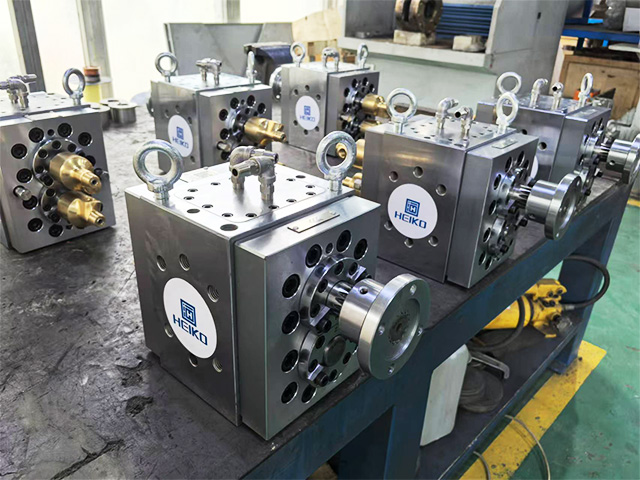
Ideal for plastic extrusion, laboratory R&D, and small-scale compounding lines, electrically heated melt pumps thrive in low-output, flexible operating environments. These scenarios typically require frequent process adjustments or small-batch production, where the simplicity of electric heating becomes a critical asset. Unlike thermal fluid systems that demand complex piping and temperature control stations, electric models feature compact designs with heating rods or coils directly integrated into the pump body. This eliminates the need for auxiliary equipment, reducing initial investment by 30-50% compared to thermal fluid alternatives. For laboratories and small workshops, their easy installation and intuitive operation enable quick setup for experimental runs or short production cycles, supporting agile development and cost-effective manufacturing.
2. Rapid Temperature Adjustment and Frequent Grade Switching
Production lines handling multiple product grades require heating systems that can adapt swiftly to temperature changes. Electrically heated melt pumps excel here, with heating and cooling response times significantly faster than thermal fluid systems. This capability minimizes downtime during grade transitions—critical for industries producing various plastic formulations or customized products. Equipped with PID control algorithms and high-precision NTC sensors, modern electric heating systems achieve temperature adjustments within minutes, maintaining stability within ±3℃. By reducing changeover time by up to 40%, these pumps boost overall production efficiency while ensuring consistent melt quality across different product grades. When integrated with extruders, they create a synchronized system that stabilizes throughput and eliminates surging, further enhancing operational reliability.
3. Low-Viscosity Material Processing
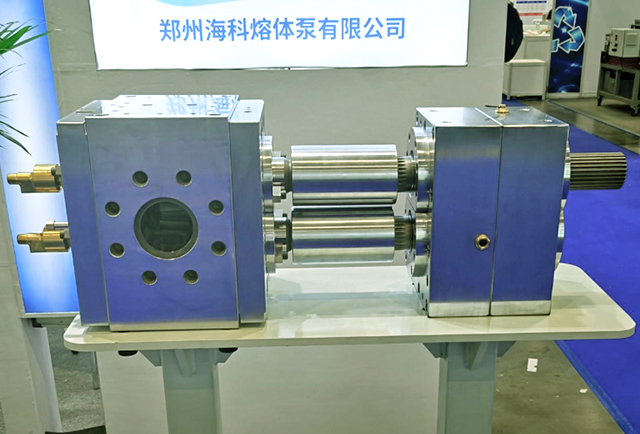
For processing low-viscosity materials such as PVC, PE, and PP (with viscosity ranges of 100–10,000 Pa·s), electrically heated melt pumps offer optimal cost-performance ratios. These conventional plastics have relatively low requirements for temperature uniformity, making the "point-to-line" heating characteristic of electric systems sufficient for consistent processing. Unlike thermal fluid heating, which incurs high maintenance costs for pipe inspections and heat transfer fluid replacement, electric models have minimal upkeep needs—reducing long-term operational expenses by 20-30%. Their compatibility with standard extruder configurations ensures seamless integration, while their durable construction (often featuring nitrided steel or 316L stainless steel) withstands the demands of continuous low-viscosity material processing.
Why Extruder Melt Pumps Are Highly Recommended?
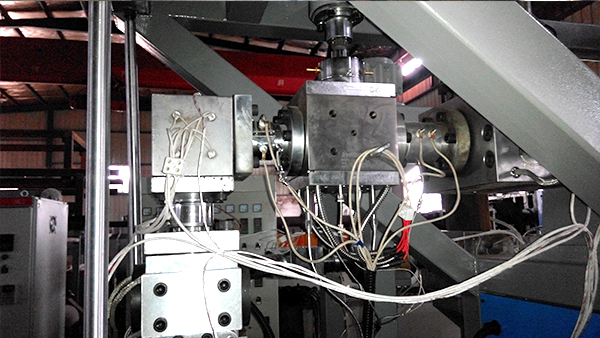
When used in conjunction with an extruder, electrically heated melt pumps form a synergistic system that effectively addresses key industry challenges. These pumps can control output fluctuations to within 0.1%—a significant improvement over extruders operating alone—and can lower melt temperature, thereby improving energy efficiency. For small- and medium-scale production operations, their low initial investment, rapid response, and cost-effective maintenance align perfectly with budget constraints and flexible production requirements. Whether for laboratory R&D, multi-stage production, or the processing of low-viscosity materials, electrically heated melt pumps paired with extruders deliver the precision and reliability demanded by modern manufacturers.