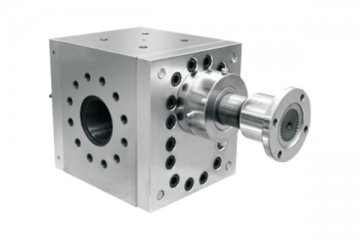
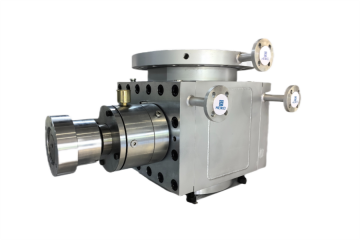
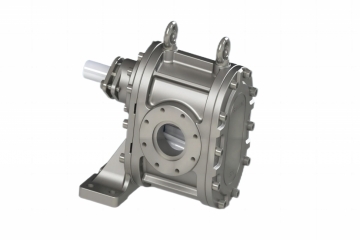
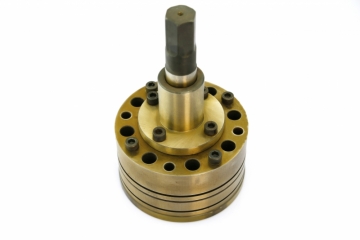
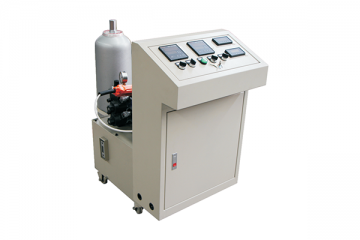
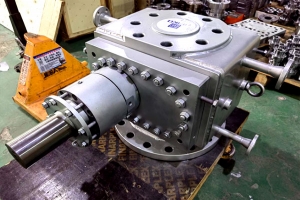
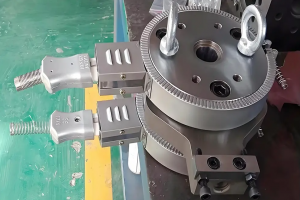
Although reactor melt discharge pumps and extruder melt pumps are both types of melt conveyance equipment, they differ significantly in terms of application scenarios, core functions, structural design, and operating conditions. They are designed for batch discharge in reactor processes and continuous extrusion molding, respectively, and their selection and operational principles are fundamentally different.
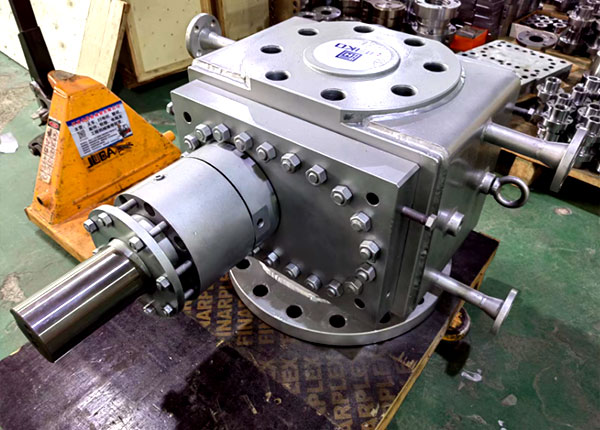
In terms of application scenarios, reactor melt discharge pumps primarily serve batch-type equipment such as reaction vessels and mixing vessels. They are used for bottom discharge, transfer, and conveyance of high-viscosity melts, adhesives, hot-melt adhesives, and similar materials, and are suited for batch or semi-continuous production processes; Extruder melt pumps, on the other hand, are designed for use with single- or twin-screw extruders. They are employed in continuous extrusion production lines for plastic pelletizing, pipe manufacturing, sheet production, and chemical fiber spinning, serving as the core pressure-stabilizing metering unit within the extrusion molding system.
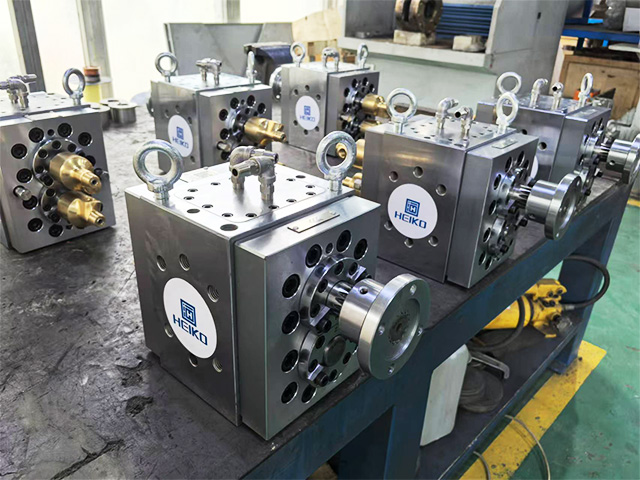
In terms of core functions, reactor melt discharge pumps focus on “discharge and transfer,” emphasizing strong self-priming capability to address challenges such as low back pressure at the reactor bottom and the difficulty of discharging high-viscosity materials. They also handle material transfer and have relatively lower requirements for metering accuracy; In contrast, the extruder melt pump centers on “metering, pressurization, and pressure stabilization.” It precisely controls melt flow rate, eliminates pressure fluctuations in the extruder screw, stabilizes outlet pressure and melt uniformity, and ensures dimensional accuracy and consistent product quality, requiring extremely high metering precision.
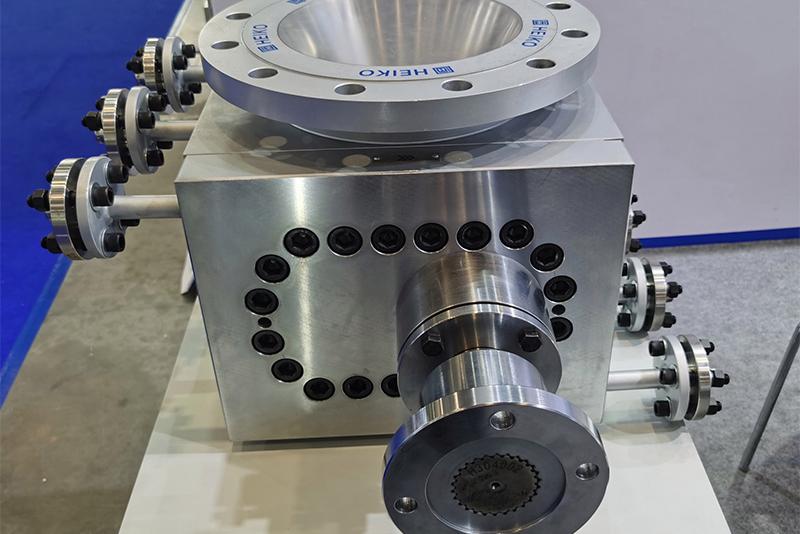
In terms of structural design and operating conditions, reactor melt discharge pumps are designed for installation at the bottom of the reactor. The pump body structure is adapted to the low inlet pressure at the reactor bottom, with flow paths optimized for self-priming and discharge, and operating pressures are relatively low; In contrast, extruder melt pumps must withstand high extrusion pressures and pressure differentials. Core components such as gears, bushings, and bearings are constructed with higher strength, while the sealing and heating systems are designed for continuous high-temperature and high-pressure operation. Heating and temperature control precision are subject to stricter requirements to meet the demands of long-term, continuous, and stable operation.