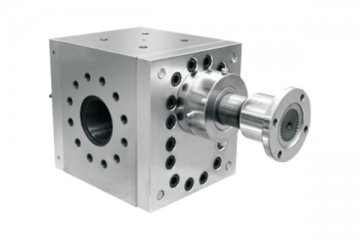
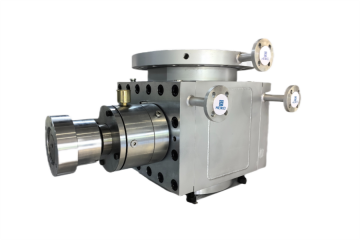
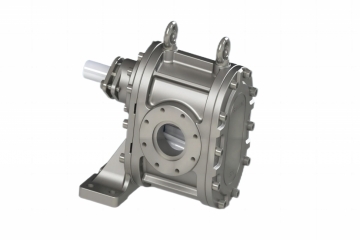
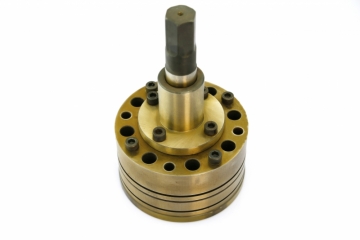
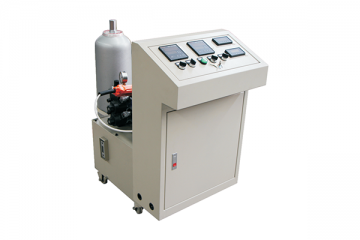
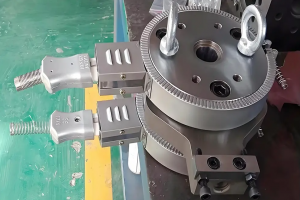
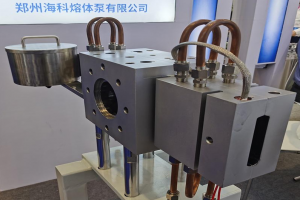
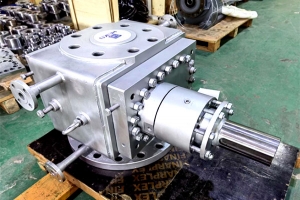
In film blowing production lines, the screen changer is a critical auxiliary piece of equipment that ensures the quality of film products and maintains stable production efficiency. Thanks to their ease of operation, cost-effectiveness, and strong adaptability, manual screen changers have become the preferred choice for small and medium-sized film blowing enterprises and specialized production scenarios. With years of expertise in melt delivery and filtration equipment, HEIKO has developed manual screen changers for film blowing machines that optimize technical design based on industry needs, delivering outstanding performance and practicality.
Cost-effective with a low entry barrier Compared to fully automatic screen changers, manual screen changers eliminate complex structures such as hydraulic and electrical control systems, significantly reducing equipment procurement costs while also lowering maintenance expenses for hydraulic components, motors, and other parts. For film blowing enterprises with smaller production batches and relatively stable raw material impurity levels, manual screen changers offer a significant cost-performance advantage, meeting basic filtration needs with a lower investment.
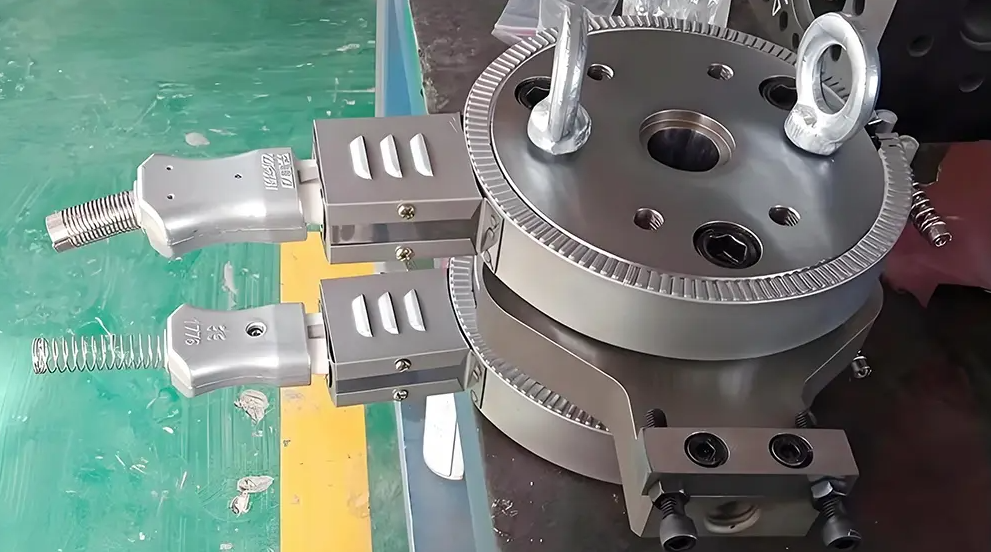
Simple operation and quick to master: The screen-changing process for manual screen changers requires no complex program settings, and operators can master it after brief training. When the filter screen becomes clogged and the melt pressure rises to the set value, the operator simply turns the handle manually to move the slide plate and switch between the old and new filter screens. The entire process is intuitive and does not require specialized electrical or hydraulic technicians, thereby reducing the company’s labor training costs.
Compact Design and Flexible Installation: Compact and lightweight, manual screen changers can be seamlessly integrated into film blowing production lines of various specifications. Whether installing new lines or retrofitting existing ones, no major adjustments to the production line are required. They are particularly suitable for workshop layouts with limited space and can accommodate the filtration needs of various common film blowing materials, including PE, PP, and HDPE.
High Stability and Low Failure Rate The simple structure means fewer potential failure points. By eliminating complex hydraulic and electrical components, the manual screen changer is less prone to issues such as oil leaks or electrical malfunctions during daily operation. It maintains stable filtration performance during long periods of continuous production, thereby reducing production downtime caused by equipment failures.
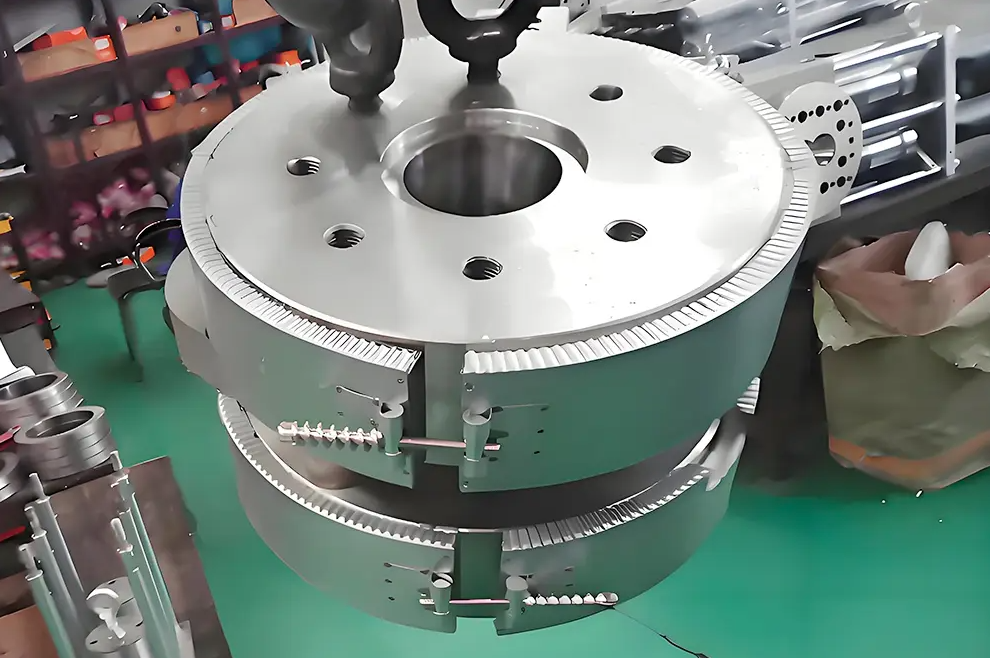
High-Precision Filtration Design The HEIKO manual screen changer features a multi-layer screen stack design, allowing the mesh size to be flexibly selected based on the impurity levels in the raw material. This effectively traps char and impurity particles in the raw material, preventing quality defects such as holes and crystal spots in the film. Additionally, the filtration chamber employs a streamlined flow channel design to reduce melt flow resistance and pressure loss, ensuring the stability of the film bubble during the film blowing process.
High-Temperature and High-Pressure Sealing Technology In film blowing production, melt temperatures typically range from 150°C to 250°C, and significant melt pressure is present. The sealing components of the manual screen changer are made of special alloy materials resistant to high temperatures and wear. Combined with a precision sealing structure, this effectively prevents melt leakage, ensuring reliable sealing under high-temperature and high-pressure conditions, and avoiding raw material waste and production safety hazards caused by leaks.
High Material Compatibility and Durability The equipment’s core components (filtration chamber, slide plate, and screen holder) are all manufactured from high-quality alloy steel and undergo heat treatment processes such as tempering and quenching to enhance hardness and wear resistance, thereby extending the equipment’s service life. Even when processing modified raw materials containing filler masterbatches, the equipment maintains excellent wear resistance.
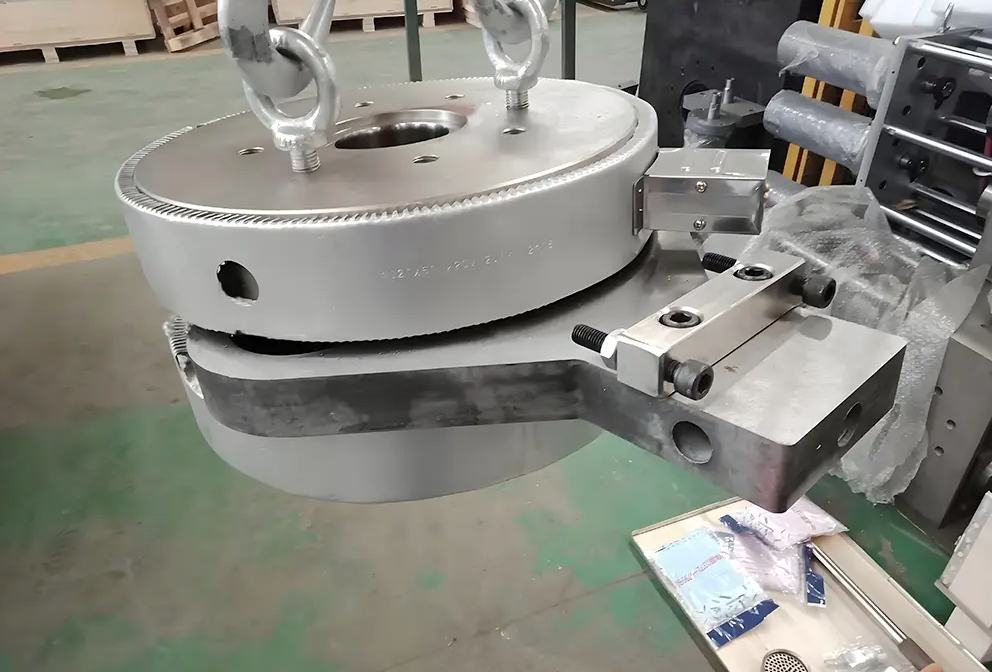
For film blowing enterprises, manual screen changers are not merely “low-spec alternatives,” but rather efficient solutions tailored to specific production scenarios. Leveraging years of industry expertise, HEIKO has designed its manual screen changers to balance filtration performance, operational convenience, and durability. These units not only meet the quality requirements for small- to medium-batch film production but also help enterprises control equipment procurement and maintenance costs, making them a reliable choice for reducing costs and improving efficiency in film blowing production lines.