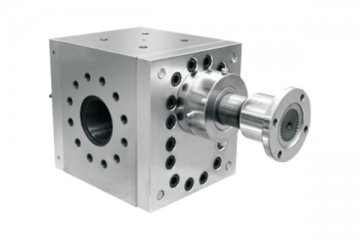
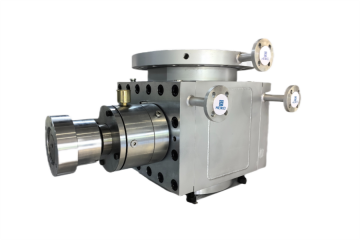
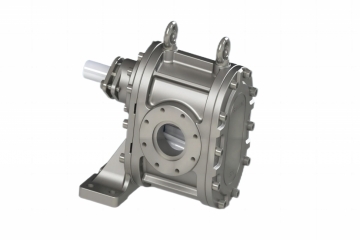
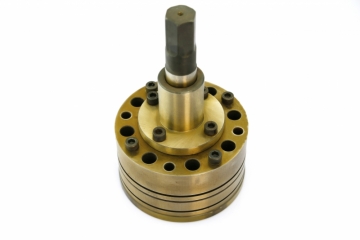
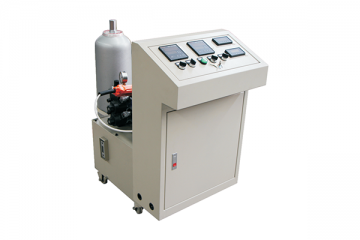
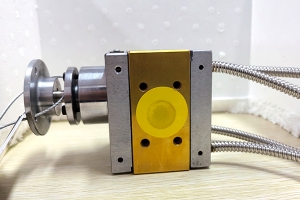
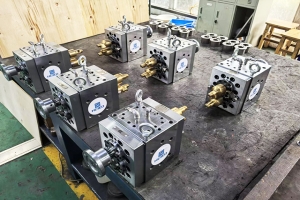
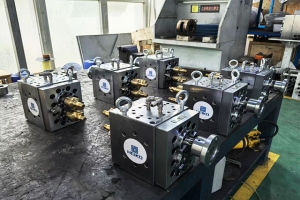
As precision core equipment in the field of materials processing experiments, compact laboratory melt pumps—with their compact size and precise performance—are widely used in various settings, including university research and corporate R&D. They not only meet the precise delivery requirements of small-scale experiments but also provide reliable support for the development of new materials and process optimization. The following sections provide a comprehensive overview of their advantages and value from two key perspectives: application areas and core features.
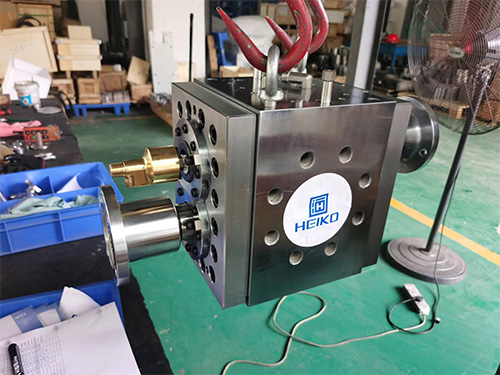
I. Application Areas of Laboratory-Scale Melt Pumps (Precision-Tailored for Research and Development Scenarios)
The core application of laboratory-scale melt pumps lies in “precise flow control and suitability for small-batch experiments.” They provide customized delivery support for various material processing scenarios, covering multiple fields such as plastics, rubber, and synthetic fibers. Specific applications are as follows:
1. Plastic Processing Experimentation
In laboratory pilot and intermediate-scale testing for plastic extrusion, blow molding, and injection molding, these pumps can precisely meter and stably convey high-viscosity plastic melts, including polyolefins, engineering plastics, modified plastics, and other materials. Whether for plastic formulation optimization, processing technology debugging, or performance testing of new plastic materials, precise flow control reduces material waste, ensures the accuracy of experimental data, and provides reliable experimental evidence for industrial production.
2. Rubber Research
Designed to meet the laboratory conveying needs for materials such as rubber compounds and vulcanized rubber, this system assists researchers in conducting experiments related to rubber formulation development and performance improvement. Its stable conveying performance prevents issues such as degradation and separation of the rubber melt during transport, precisely meeting the small-batch, high-precision requirements of rubber experiments, and providing a solid foundation for rubber material performance testing and process optimization.
3. Synthetic Fiber Production Testing
Designed to handle the unique properties of synthetic fiber melts, this system enables precise and stable delivery. It is widely used in the laboratory R&D phase for new fiber materials (such as polyester, nylon, and specialty fibers). It allows for precise control of the flow rate and pressure of the synthetic fiber melt, ensuring stability during the fiber spinning process. This helps researchers optimize spinning processes, improve the quality and performance of new fibers, and accelerate the development and commercialization of new synthetic fiber products.
4. Applications in Universities and Research Institutions
As fundamental experimental equipment for disciplines such as materials processing, polymer science, and chemical engineering, this system is tailored to meet the needs of university laboratories for teaching and research projects. It provides students with an intuitive platform for conducting melt delivery experiments, facilitating the integration of theory and practice. It also meets the precise requirements of researchers in material delivery, process optimization, and new material development, offering reliable equipment support for the advancement of research projects.
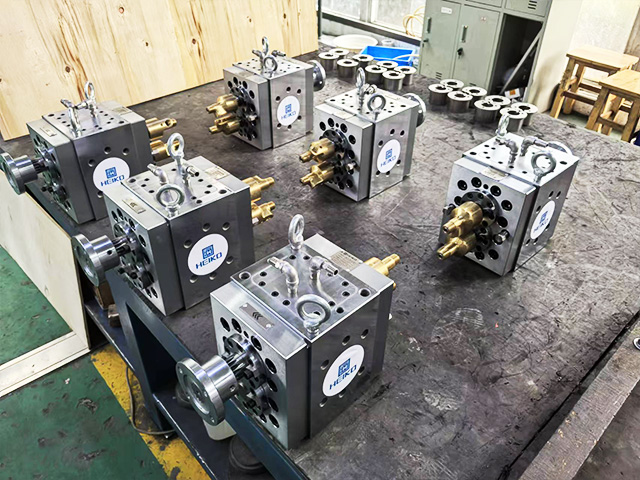
II. Key Features of Compact Laboratory Melt Pumps (Tailored for Laboratory Settings, Highlighting Precision Advantages)
Compared to industrial-grade melt pumps, compact laboratory melt pumps offer “precision, compactness, flexibility, and durability” as their core advantages, fully meeting the laboratory’s requirements for small-batch, high-precision, and multi-material experiments. Specific features are as follows:
1. High-Precision Metering Ensures Reliable Experimental Data
Featuring a precision gear structure design paired with a high-precision control system, these pumps precisely regulate melt flow rate and pressure with minimal measurement error. This effectively ensures the stability and consistency of material delivery during experiments. Whether comparing results across different experimental batches or optimizing process parameters, precise metering guarantees the accuracy and reproducibility of experimental data, providing robust support for experimental conclusions.
2. Stable flow rate to minimize experimental interference
With excellent flow stabilization performance, the system effectively suppresses fluctuations in flow rate and pressure during melt delivery, preventing experimental errors caused by unstable flow. It is designed to handle high-viscosity melts, maintaining a stable output even at low flow rates. This reduces issues such as material degradation and carbonization, clearing the way for smooth experimental operations.
3. Compact Design, Suitable for Limited Laboratory Space
Featuring a compact structural design, the pump is small in size and lightweight, requiring minimal laboratory space. It can be flexibly integrated with various laboratory equipment, such as extruders and spinning machines. Additionally, the installation process is straightforward and operation is user-friendly; installation and commissioning can be completed without the need for specialized technical personnel, meeting the requirements for multi-device integration and flexible commissioning in laboratory settings.
4. High-viscosity resistance, suitable for experiments with diverse materials
The pump’s internal structure is designed to withstand high pressure and wear, enabling it to easily handle various high-viscosity molten materials, including plastics, rubber, and synthetic fibers. This makes it suitable for laboratory experiments involving multiple material types and batches. It eliminates the need for frequent equipment changes, allowing for the transportation of molten materials of different types, thereby improving experimental efficiency and reducing costs.
5. Diverse Material Options for Extended Equipment Lifespan
The pump body and core components can be constructed from a variety of high-quality materials—such as stainless steel and alloys—selected based on the characteristics of the experimental materials. These materials offer corrosion resistance, wear resistance, and high-temperature resistance, effectively withstanding the erosion of corrosive melts, reducing component wear, and extending the equipment’s service life. Additionally, the materials comply with laboratory standards, preventing material contamination and ensuring the purity of experimental materials and the reliability of experimental results.