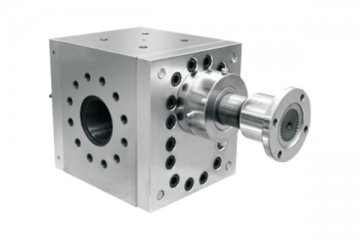
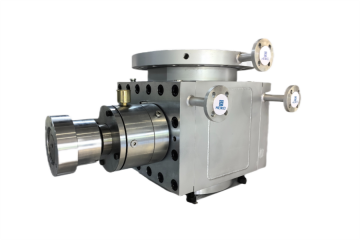
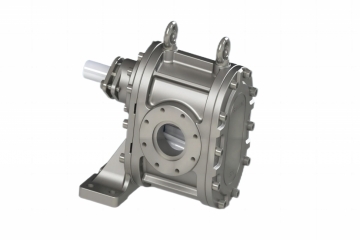
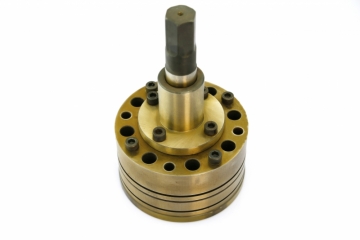
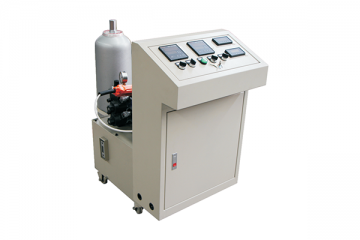
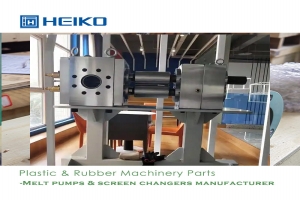
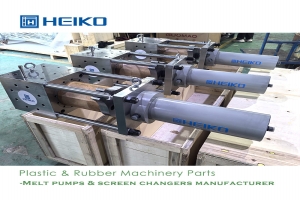
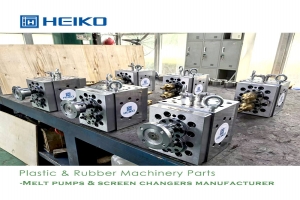
The extruder melt pump is a specialized volumetric gear conveying equipment for high-temperature and high viscosity polymer melt used in conjunction with extruders. Its core function is to increase pressure and stabilize pressure, accurately measure melt flow, and widely adapt to extrusion processing scenarios such as plastics, chemical fibers, and rubber. It can significantly improve production line accuracy and efficiency.
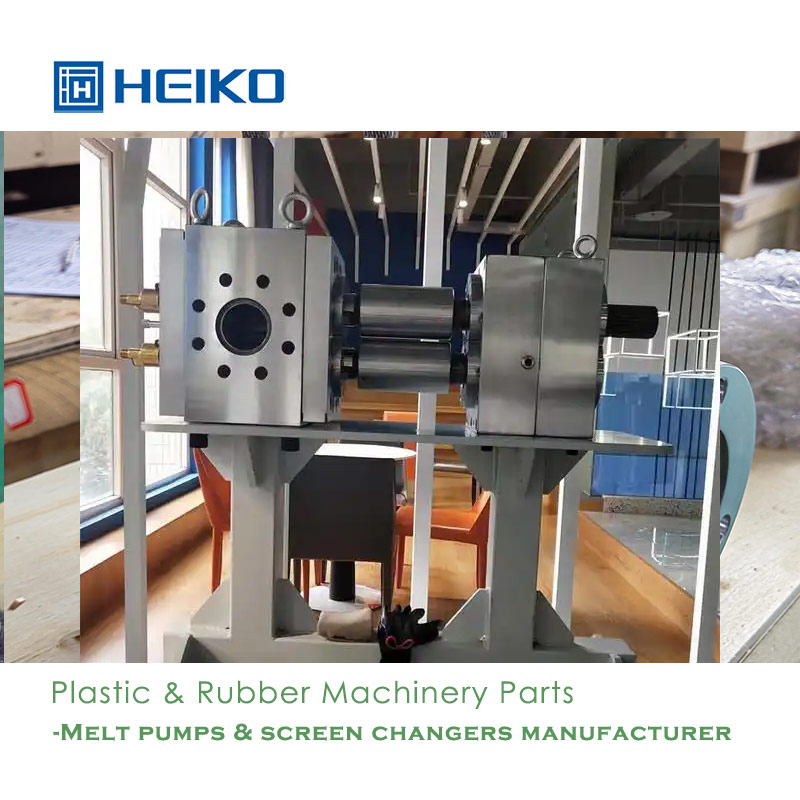
1、 Core Definition and Basic Functions
Equipment attribute: It belongs to the positive displacement conveying device, and the flow rate is strictly proportional to the pump speed. It consists of core components such as pump casing, driving gear, driven gear, sliding bearing, etc.
Core function: Pressurize and stabilize the high-temperature melt output by the extruder, ensuring a stable flow rate of the melt to the machine head. The performance of stabilizing pressure and flow is much better than that of ordinary extruders.
Comprehensive benefits: The size tolerance of extruded products can be minimized, and the energy consumption per kilogram of material processed can be reduced by about 25%. In most scenarios, the equipment investment cost can be recovered within the second half of the year.
2、 Mainstream classification and adaptation scenarios
Standard extruder melt pump: suitable for conventional polymers such as PP, PE, PS, etc., mostly used for conventional extrusion production of sheets, plates, pipes, and ordinary films.
Melt pump for chemical fiber spinning extruder: made of chromium nickel alloy material, resistant to high and low temperatures, suitable for high viscosity spinning melt, ensuring uniform and non broken filaments during the spinning process.
Laboratory extruder melt pump: mostly in small specifications of 40cc, with linear extrusion characteristics, meeting the high-precision extrusion needs of small batch precision experimental scenarios.
High pressure/high temperature extruder melt pump: Made of high-temperature tool steel material, it can withstand high pressure above 50MPa and high temperature of 510 ℃, and is suitable for extrusion conditions of engineering plastics such as PC and PEEK.
Precision extruder melt pump: using nitride steel pump body, with a measurement error of ≤± 0.5%, suitable for high-end scenarios such as medical catheters and optical films that require extremely high precision.
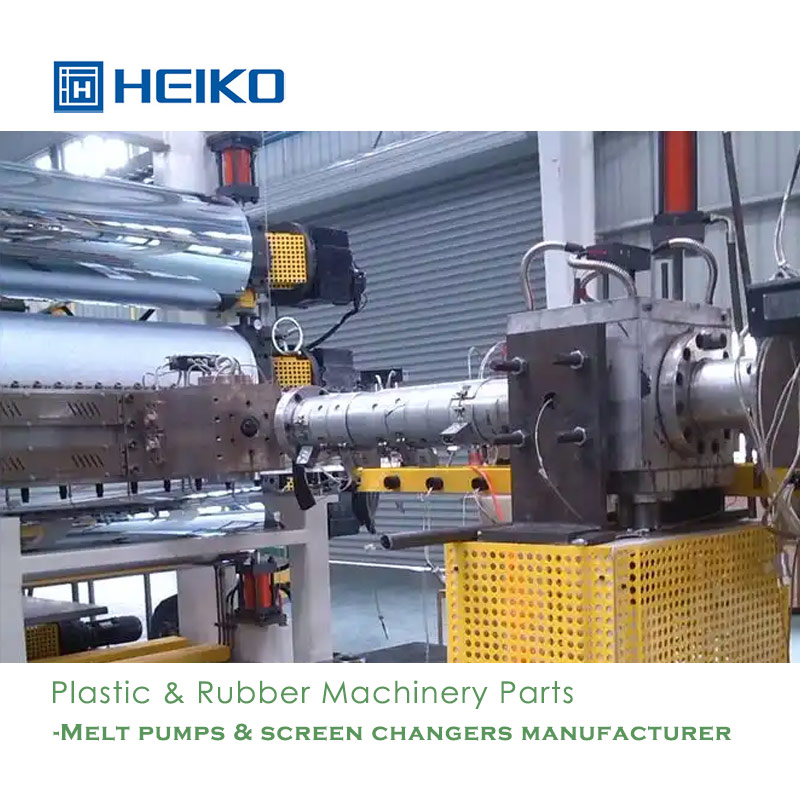
3、 Key points of core selection
Flow and displacement: Match the pump's rotational displacement according to the minimum, conventional, and maximum working conditions of the production line, avoiding selecting a small one to lock up production capacity and selecting a large one to lower measurement accuracy.
Material and viscosity: Clearly define the specific material type and viscosity range at the process temperature. The ordinary type is suitable for 100-10000 Pa · s materials, while the high viscosity type can handle materials above 30000 Pa · s.
Pressure and pressure difference: Simultaneously calculate the inlet pressure and the pressure difference before and after the pump, taking into account all the resistance of the mold, screen changer, and pipeline to avoid insufficient feeding or component overload.
Temperature and Temperature Control: Based on the temperature range of material processing, choose electric heating and heat medium heating schemes as needed, taking into account both temperature control accuracy and on-site maintenance convenience.
Material and sealing: Nitrided steel is selected for ordinary scenes, 316L stainless steel mirror polished is selected for medical and food scenes; Spiral sealing is preferred for high viscosity materials, while packing sealing is optional for low viscosity materials.
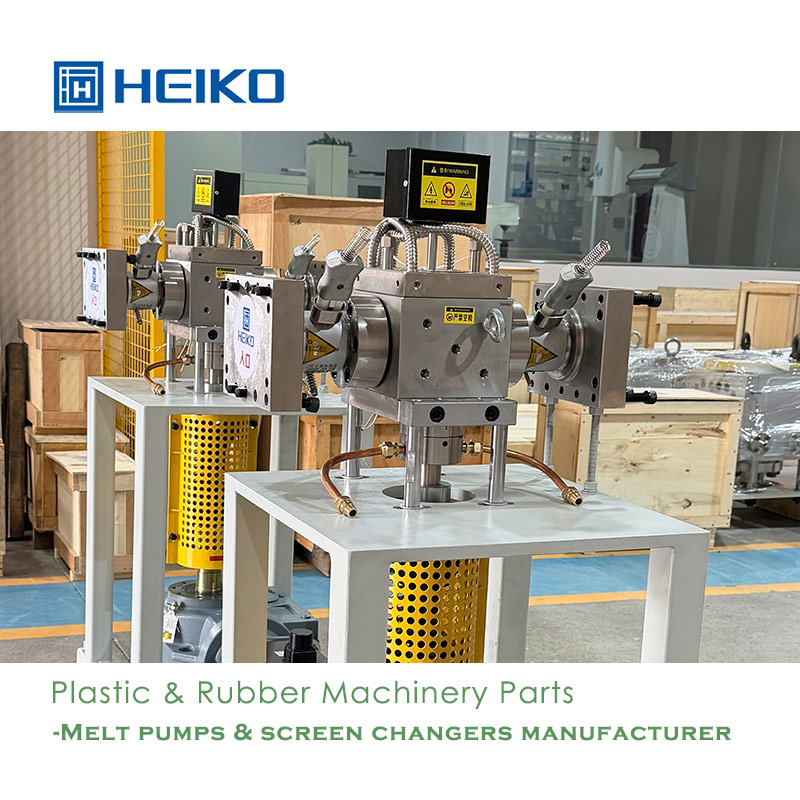
4、 Operation and maintenance standards
Pre start inspection: Manually rotate the disc to confirm there is no jamming, check the tightness of each connecting part, preheat and heat up to the material process temperature, and keep it warm for sufficient time.
Operation: When starting, adopt low-speed transition mode, gradually increase the speed to the target value, maintain the speed and flow matching, and avoid long-term low-speed operation.
Daily maintenance: Regularly check the sealing parts for leaks, maintain the packing seal every 2000 hours, and extend the maintenance interval for spiral seals to 2 years.
Troubleshooting: When there is unstable flow or abnormal pressure, priority should be given to checking the wear of the gears, whether the inlet supply is sufficient, and timely cleaning of residual carbide materials in the flow channel.