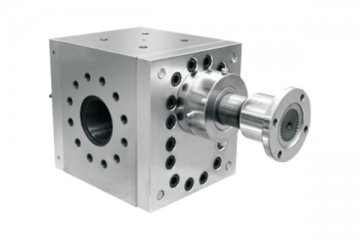
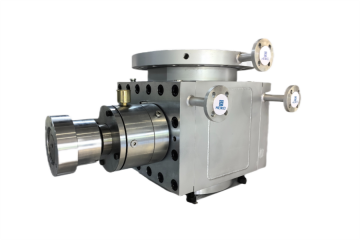
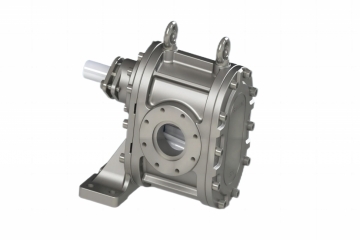
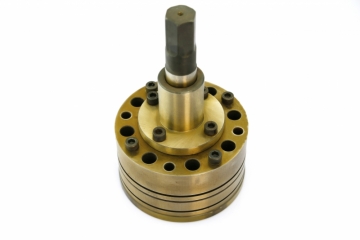
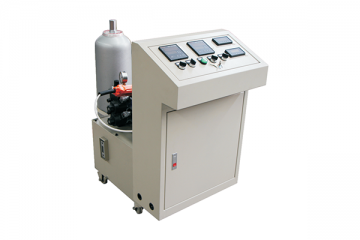
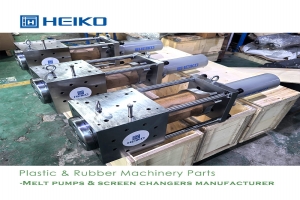
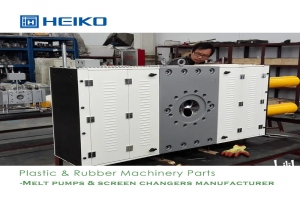
In modern modified plastic production, impurity filtration and stable extrusion are key factors determining product quality and production efficiency. The single-column hydraulic screen changer has become a core indispensable auxiliary device for modified plastic factories, widely applied in the extrusion and granulation processes of modified PP, PE, ABS, and flame-retardant, reinforced, and toughened plastic materials.
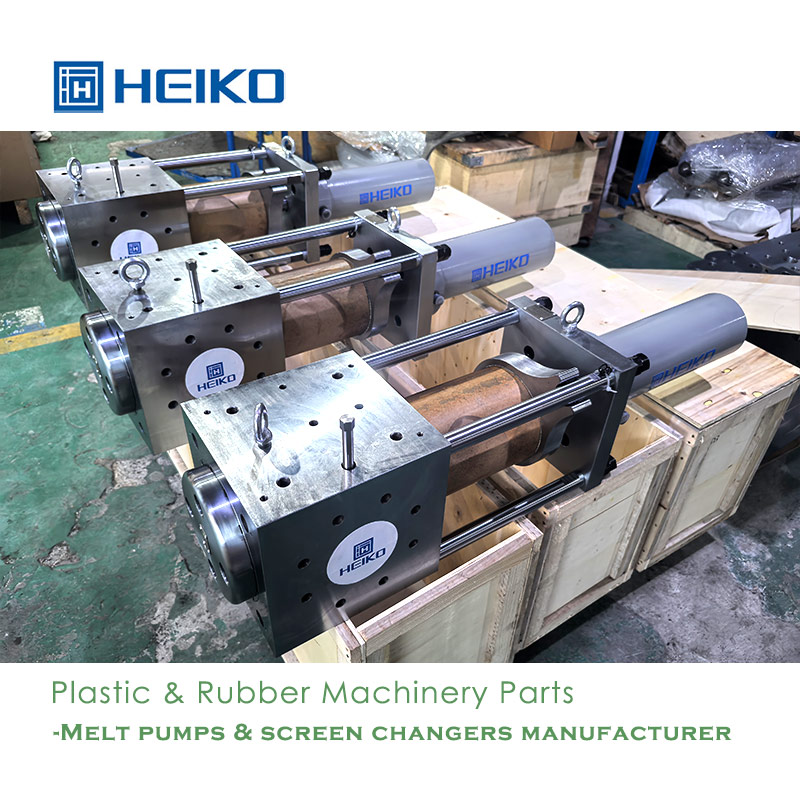
Different from traditional manual screen changers, this single-column dual-station hydraulic model supports non-stop screen replacement. It adopts a single-column integrated structure with two independent filtering stations, one for working and the other for standby. When the filter screen is blocked by plastic impurities, carbon deposits, and filler residues generated during modification, the hydraulic system can quickly switch stations in seconds. This avoids production shutdowns, effectively solving the problem of low output and unstable melt pressure caused by frequent screen changes in modified plastic processing.
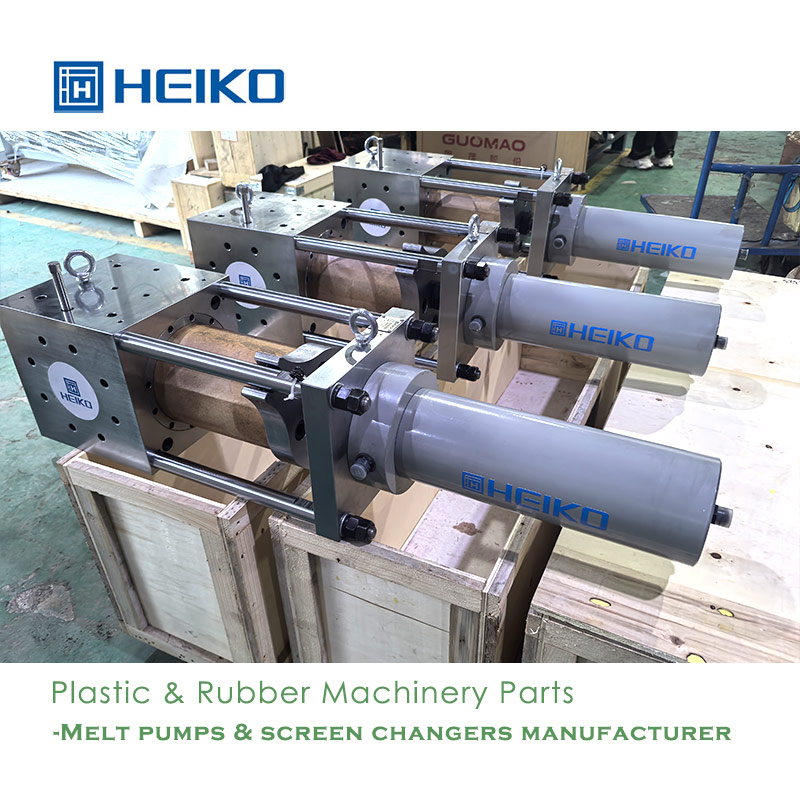
Tailored for the harsh working conditions of modified plastic factories, the equipment features high pressure and high temperature resistance. It stably operates under 25-30MPa high pressure and 300°C high temperature, perfectly adapting to the processing requirements of filled modified plastics with high filler content such as talc powder, calcium carbonate, and glass fiber. Its optimized melt flow channel reduces material shear force, preventing modified plastic molecular chain damage and ensuring consistent material performance and finished product uniformity.
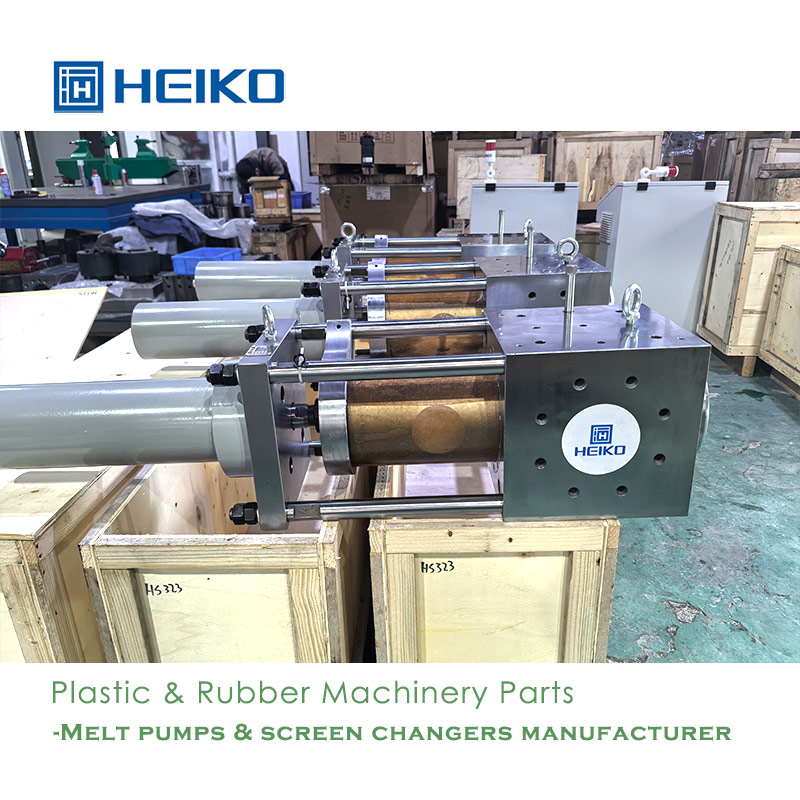
In addition, the integrated alloy steel structure with nitriding treatment enhances wear resistance and durability, lowering long-term maintenance costs. With simple operation, minimal leakage, and strong compatibility with various plastic extruders and granulation lines, it effectively improves finished plastic purity, reduces defective rates, and helps modified plastic enterprises achieve continuous, efficient, and low-cost standardized production.