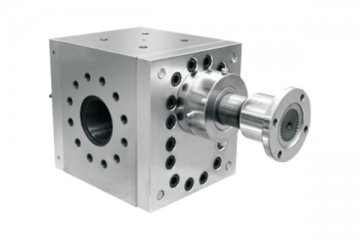
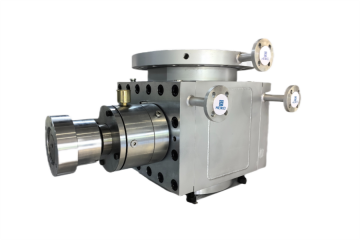
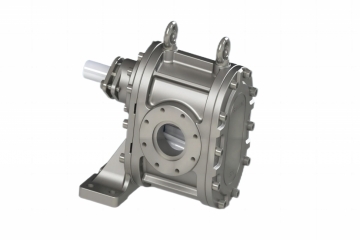
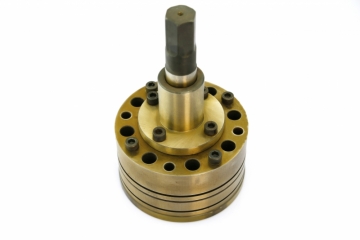
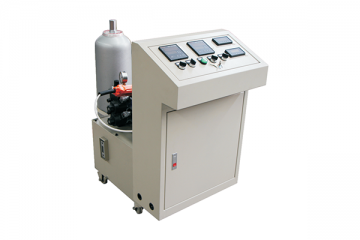
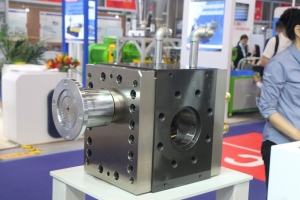
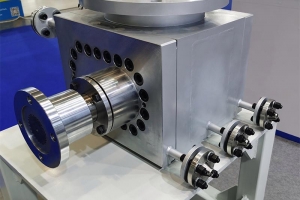
The heating and temperature-maintenance system of a melt gear pump is a core component that ensures stable material delivery. Its primary function is to prevent the polymer melt from unexpectedly cooling down or experiencing abnormal viscosity increases within the pump body, thereby eliminating at the source issues such as reduced material flowability and increased delivery pulsation, and ensuring that the entire extrusion and delivery process remains stable at all times.
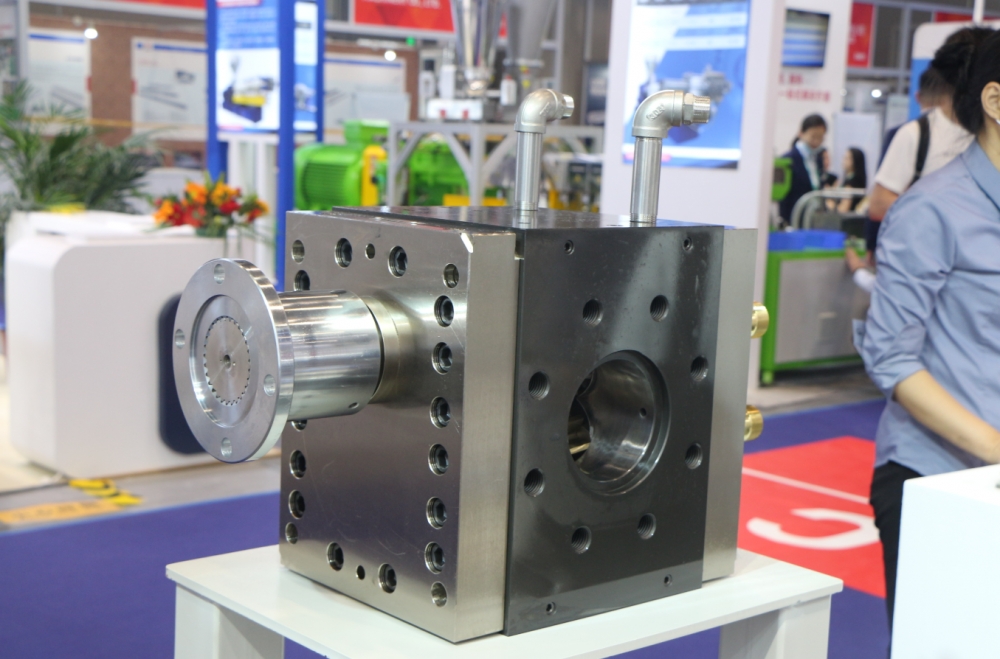
Different heating methods exhibit significant differences in characteristics and are suited for entirely different operating conditions: Heat transfer fluid heating offers excellent temperature uniformity and is suitable for large-scale continuous polymerization production lines and large-sized pump bodies—scenarios that demand extremely high temperature consistency; Electric heating features a simple structure and rapid temperature response, making it more suitable for small- to medium-sized extrusion systems and conventional plastic processing applications; flow channel heating enables precise temperature control in the areas through which the material flows, meeting the stringent requirements for flow channel temperature stability in specialized processes; for certain specialized processes involving low temperatures and low viscosity, it is also possible to operate without an additional heating system, relying entirely on the production line’s own temperature to maintain operation.
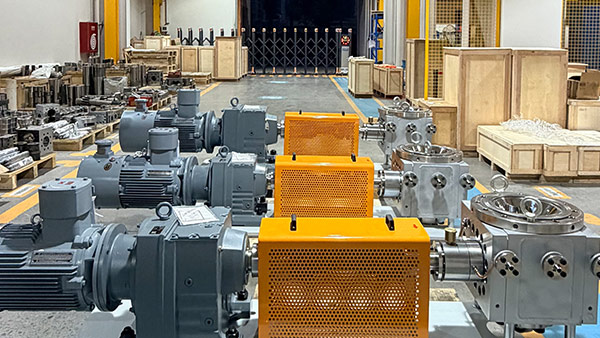
The selection of a heating method should not be based solely on equipment procurement costs; it must be determined through a comprehensive evaluation of multi-dimensional process conditions: Priority should be given to the temperature sensitivity of the material being processed, aligning with the production line’s need for long-term continuous operation, and clarifying the specific temperature control precision requirements of each process step. At the same time, on-site energy supply conditions must be taken into account to ultimately select the most suitable heating solution and avoid production issues—such as material degradation and product defects—caused by inadequate temperature control.