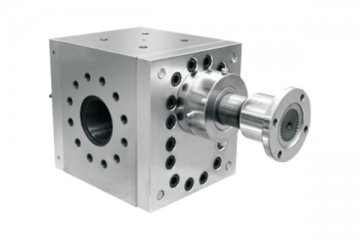
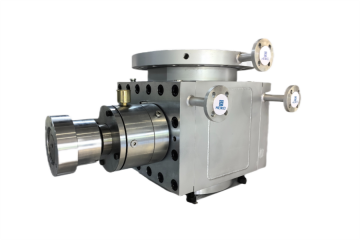
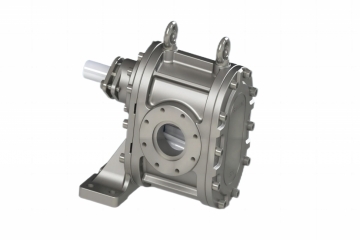
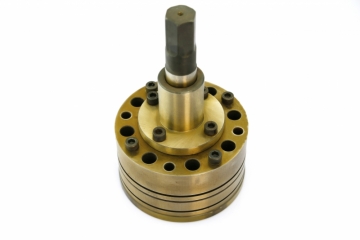
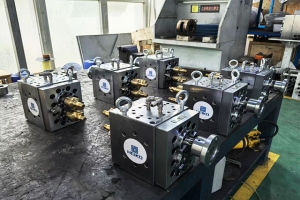
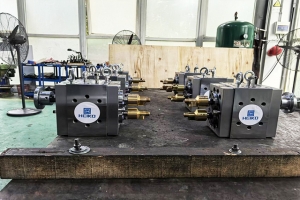
In plastic extrusion, a manual screen changer is an essential, cost-efficient device designed to filter contaminants like gels, unmelted particles, and debris from molten polymer. Installed between the extruder and die, it protects downstream equipment, ensures consistent product quality, and suits small-scale production or lines with infrequent screen changes.
Working Principle
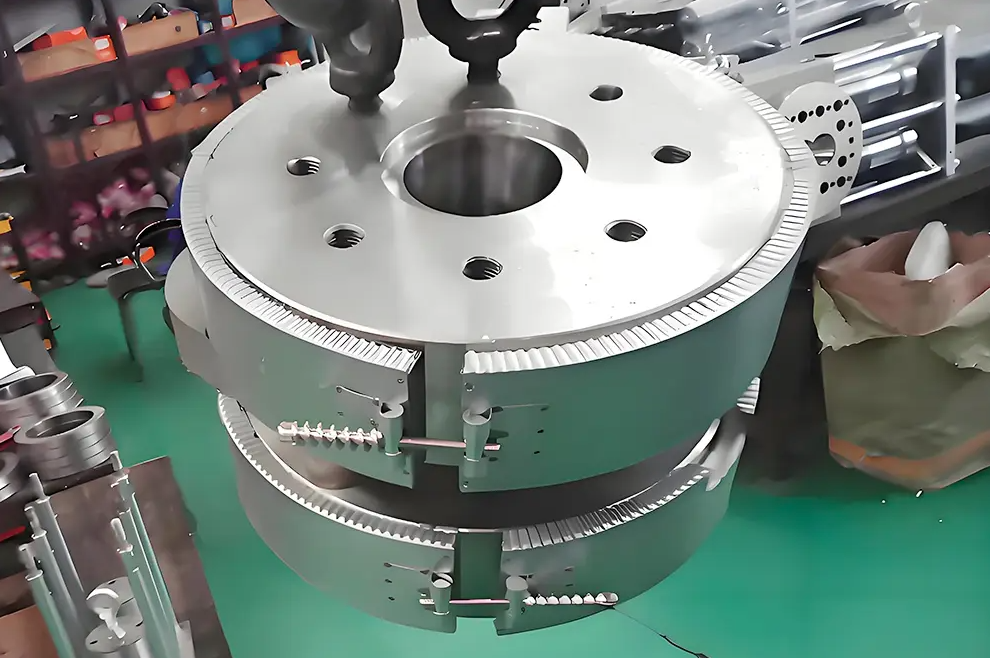
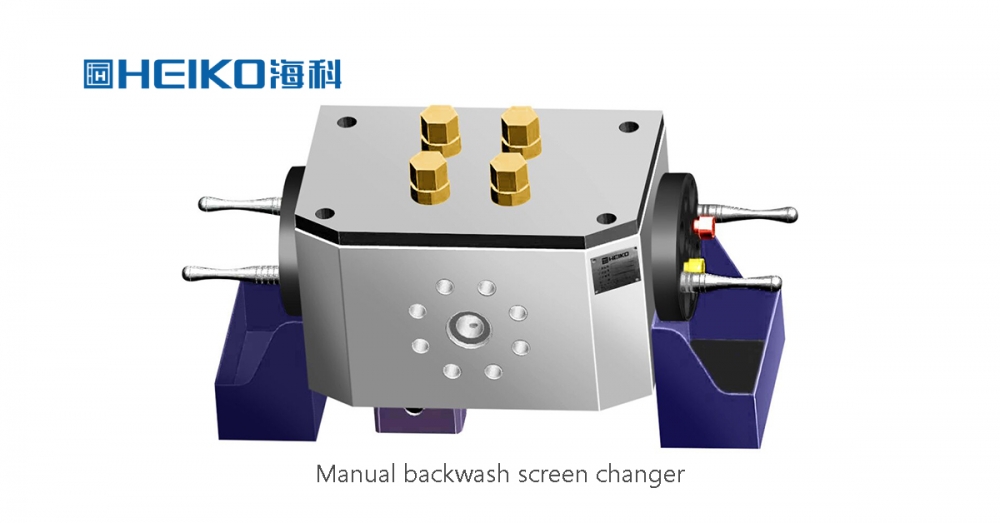
The unit features a compact body with two filter cavities and a lever handle. During operation, molten plastic flows through a mesh screen that traps impurities. When pressure builds due to clogging, operators halt the line, rotate the handle to switch to a clean screen, and resume production. This simple, tool-free process minimizes downtime and material waste.
Key Advantages
Cost-Effective: No complex hydraulic or electric systems, lowering initial investment and maintenance costs.
Easy Operation: Intuitive lever design requires minimal training, reducing labor dependence.
Compact & Durable: Space-saving build fits tight production areas; alloy construction with nitriding treatment ensures high-temperature resistance and longevity.
Versatile: Works with most thermoplastics (PP, PE, ABS) and supports filtration rates up to 400 kg/h, withstanding pressures up to 50 MPa.
Applications
Ideal for small-batch extrusion, laboratory lines, film blowing, pipe extrusion, and recycling processes. Perfect for operations where shutdowns are scheduled, as it avoids the high costs of automatic alternatives.
Why Choose a Manual Screen Changer?
While automatic screen changers offer continuous operation, manual models excel in affordability, reliability, and simplicity. For small to mid-sized manufacturers, it balances performance and budget, ensuring clean melt and stable production.