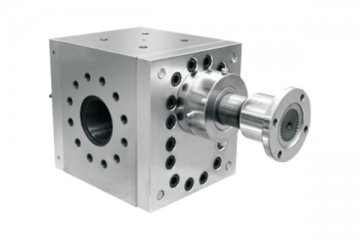
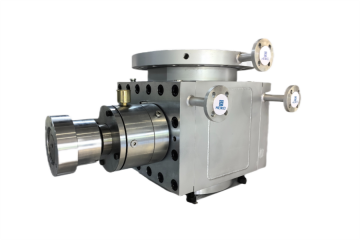
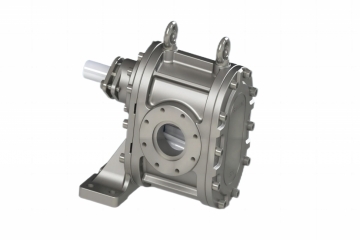
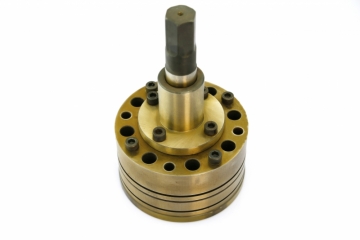
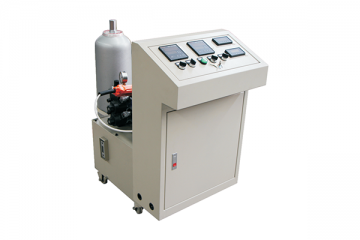
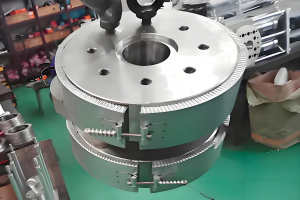
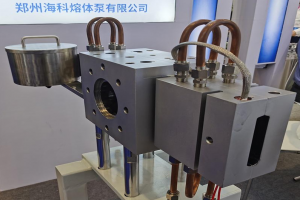
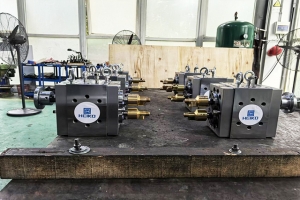
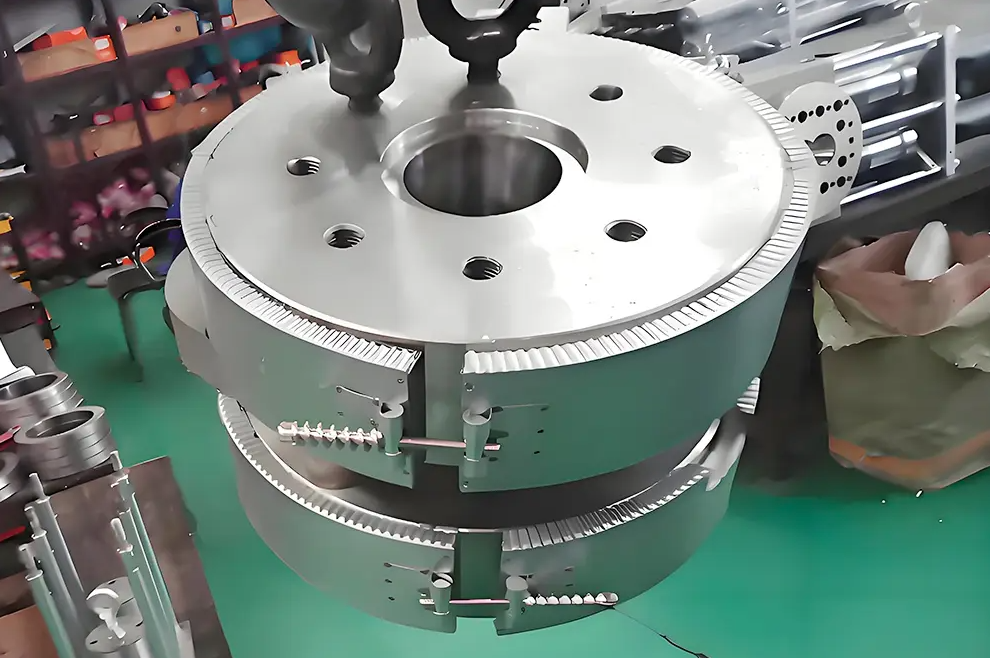
The manual screen changer serves as a critical switching device in the plastics and rubber industries for filtering foreign particles and impurities from plasticized materials. It precisely interfaces with core production equipment such as extruders, melt pumps, and reactors. Widely applicable for purification and filtration of polymer, rubber, and ceramic melts, it ensures clean raw materials for subsequent forming processes. Its core structure comprises a filter screen and an alloy porous plate support assembly. Through mechanical movement of the carrier, it enables rapid switching between active and inactive positions, facilitating filter screen replacement while maintaining continuous filtration functionality.
Core Features
1. Flexible Installation, User-Friendly Operation
The equipment's integrated design balances practicality and adaptability, featuring a simple and efficient installation process that seamlessly integrates into existing production lines. The core operating component—the control handle—can be flexibly adjusted in angle and position according to the spatial layout of the production site and the operator's working habits. Routine operations can be performed by a single operator, significantly reducing labor costs and lowering the operational threshold.
2. Superior Sealing, High Durability
Customized flexible sealing devices, combined with a unique compensating seal structure, effectively mitigate friction wear on sealing surfaces. This ensures stable sealing performance even under high-temperature, high-pressure melt conditions, significantly extending overall equipment lifespan and reducing maintenance downtime.
3. Compact Structure, High Adaptability
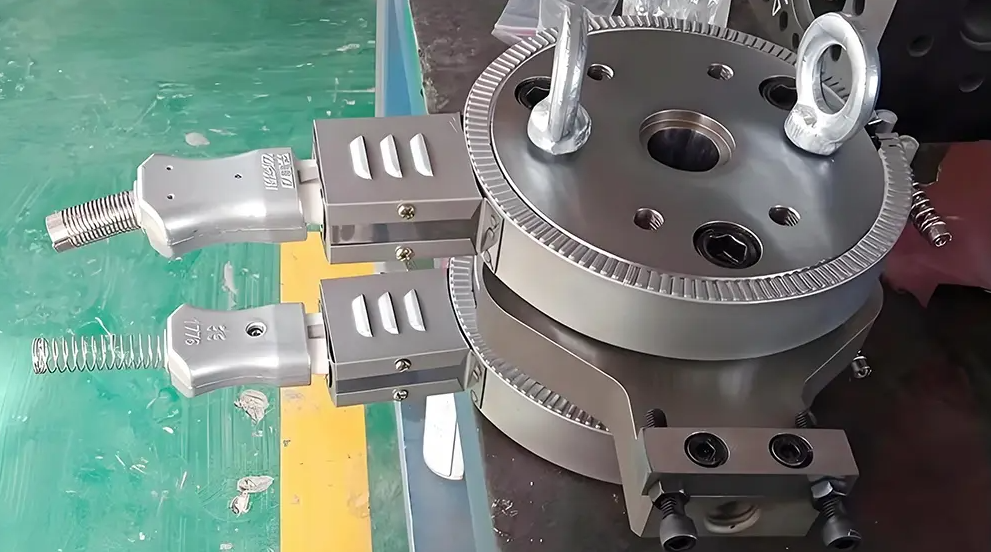
The equipment features a compact, space-saving design, occupying minimal production area. It is particularly suitable for low-output extrusion lines with specifications of Φ90 and below. The accompanying filter mesh diameter typically remains under 100mm, allowing flexible replacement based on material impurity levels and filtration precision requirements to meet purification demands across diverse production scenarios.
4. Controllable Costs and High Cost-Effectiveness
Compared to automatic screen changers, manual screen changers feature lower manufacturing costs, reduced equipment procurement expenses, and minimal maintenance investment. They require no complex electrical control systems, making them particularly suitable for small and medium-sized manufacturers with limited budgets. This solution ensures filtration effectiveness while controlling costs.
Application Scope and Advantages
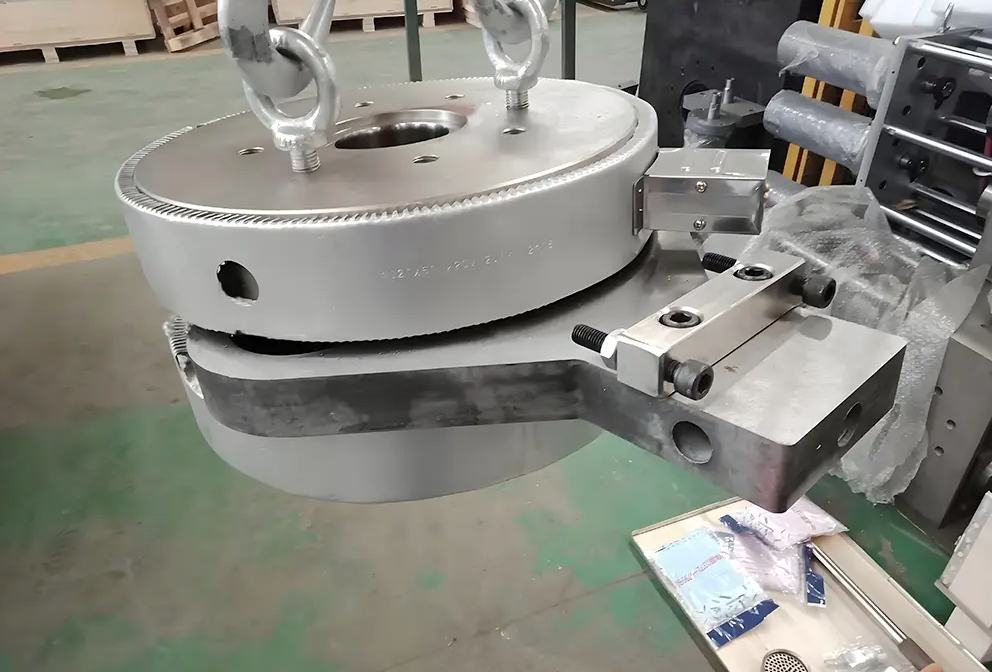
Manual screen changers offer high adaptability and are widely used in various high-viscosity melt extrusion production lines, including film blowing, pelletizing, pipe manufacturing, profile extrusion, and sheet production. Although brief shutdowns are required during screen changes, the dual positioning system—comprising positioning blocks and bolts—ensures precise alignment after screen block switching. This effectively prevents material flow obstruction, enabling rapid return to stable operation once production resumes.